
教你3分钟搞定Linux正则表达式
- 作者: A一小马哥
- 来源: 51数据库
- 2022-09-21
| 导读 | 正则表达式是一种字符模式,用于在查找过程中匹配制定的字符。 |
正则表达式元字符,由vi/grep/sed/awk等文本处理工具进行解析;
正则表达式一般以文本行进行处理,在进行下面实例之前,先为grep命令设置--color参数:
class="">$?alias?grep='grep?--color=auto'
这样每次过滤出来的字符串都会带色彩了。
在开始之前还需要做一件事情,就是创建一个测试用的re-file文件,内容如下:
 class="">$?cat?re-file
I?had?a?lovely?time?on?our?little?picnic.
Lovers?were?all?around?us.?It?is?springtime.?Oh
love,?how?much?I?adore?you.?Do?you?know
the?extent?of?my?love??Oh,?by?the?way,?I?think
I?lost?my?gloves?somewhere?out?in?that?field?of
clover.?Did?you?see?them???I?can?only?hope?love.
is?forever.?I?live?for?you.?It's?hard?to?get?back?in?the
groove.
 class="">$?cat?linux.txt
Linux?is?a?good?
god?assdxw?bcvnbvbjk
greatttttt??wexcvxc
operaaaating??dhfghfvx
gooodfs?awrerdxxhkl
gdsystem?awxxxx
glad
good
正则表达式元字符
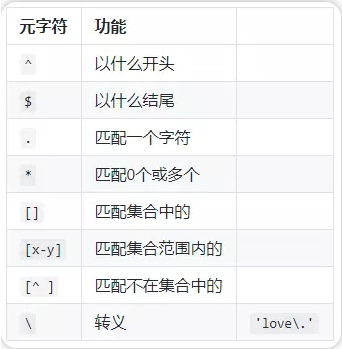
特殊的元字符
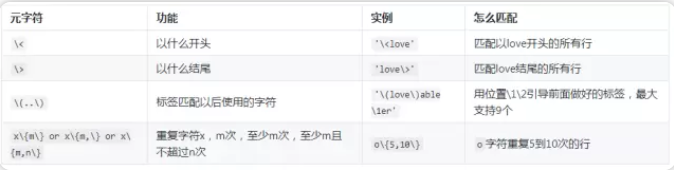
扩展的正则表达式

实操
匹配以love开头的所有行
 class="">$?grep?'^love'?re-file
love,?how?much?I?adore?you.?Do?you?know
匹配love结尾的所有行
 class="">$?grep?'love$'?re-file
clover.?Did?you?see?them???I?can?only?hope?love.
匹配以l开头,中间包含两个字符,结尾是e的所有行
 class="">$?grep?'l..e'?re-file
I?had?a?lovely?time?on?our?little?picnic.
love,?how?much?I?adore?you.?Do?you?know
the?extent?of?my?love??Oh,?by?the?way,?I?think
I?lost?my?gloves?somewhere?out?in?that?field?of
clover.?Did?you?see?them???I?can?only?hope?love.
is?forever.?I?live?for?you.?It's?hard?to?get?back?in?the
匹配0个或多个空行,后面是love的字符
 class="">$?grep?'?*love'?re-file
I?had?a?lovely?time?on?our?little?picnic.
love,?how?much?I?adore?you.?Do?you?know
the?extent?of?my?love??Oh,?by?the?way,?I?think
I?lost?my?gloves?somewhere?out?in?that?field?of
clover.?Did?you?see?them???I?can?only?hope?love.
匹配love或Love
 class="">$?grep?'[Ll]ove'?re-file??#?对l不区分大小写
I?had?a?lovely?time?on?our?little?picnic.
Lovers?were?all?around?us.?It?is?springtime.?Oh
love,?how?much?I?adore?you.?Do?you?know
the?extent?of?my?love??Oh,?by?the?way,?I?think
I?lost?my?gloves?somewhere?out?in?that?field?of
clover.?Did?you?see?them???I?can?only?hope?love.
匹配A-Z的字母,其次是ove
 class="">$?grep?'[A-Z]ove'?re-file
Lovers?were?all?around?us.?It?is?springtime.?Oh
匹配不在A-Z范围内的任何字符行,所有的小写字符
 class="">$?grep?'[^A-Z]'?re-file
I?had?a?lovely?time?on?our?little?picnic.
Lovers?were?all?around?us.?It?is?springtime.?Oh
love,?how?much?I?adore?you.?Do?you?know
the?extent?of?my?love??Oh,?by?the?way,?I?think
I?lost?my?gloves?somewhere?out?in?that?field?of
clover.?Did?you?see?them???I?can?only?hope?love.
is?forever.?I?live?for?you.?It's?hard?to?get?back?in?the
groove.
匹配love
 class="">$?grep?'love\.'?re-file
clover.?Did?you?see?them???I?can?only?hope?love.
匹配空格
class="">$?grep?'^$'?re-file
匹配任意字符
class="">$?grep?'.*'?re-file
I?had?a?lovely?time?on?our?little?picnic.
Lovers?were?all?around?us.?It?is?springtime.?Oh
love,?how?much?I?adore?you.?Do?you?know
the?extent?of?my?love??Oh,?by?the?way,?I?think
I?lost?my?gloves?somewhere?out?in?that?field?of
clover.?Did?you?see?them???I?can?only?hope?love.
is?forever.?I?live?for?you.?It's?hard?to?get?back?in?the
groove.
前面o字符重复2到4次
 class="">$?grep?'o\{2,4\}'?re-file
groove.
重复o字符至少2次
 class="">$?grep?'o\{2,\}'?re-file
groove.
重复0字符最多2次
 class="">$?grep?'o\{,2\}'?re-file
I?had?a?lovely?time?on?our?little?picnic.
Lovers?were?all?around?us.?It?is?springtime.?Oh
love,?how?much?I?adore?you.?Do?you?know
the?extent?of?my?love??Oh,?by?the?way,?I?think
I?lost?my?gloves?somewhere?out?in?that?field?of
clover.?Did?you?see?them???I?can?only?hope?love.
is?forever.?I?live?for?you.?It's?hard?to?get?back?in?the
groove.
重复前一个字符一个或一个以上
 class="">$?egrep?"go+d"?linux.txt
Linux?is?a?good
god?assdxw?bcvnbvbjk
gooodfs?awrerdxxhkl
good
#####0个或者一个字符
ansheng@Ubuntu:/tmp$?egrep?"go?d"?linux.txt
god?assdxw?bcvnbvbjk
gdsystem?awxxxx
或,查找多个字符串
 class="">$?egrep?"gd|good"?linux.txt
Linux?is?a?good
gdsystem?awxxxx
good
分组过滤匹配
 class="">$?egrep?"g(la|oo)d"?linux.txt
Linux?is?a?good
glad
good
推荐阅读