c++如何实现Base64算法
- 作者: 优衣库库长丶
- 来源: 51数据库
- 2021-08-13
base64用途
1.用于对soho级路由器(网关设备)管理员帐户密码的加密
2.流媒体网站对于播放的流媒体文件的路径的加密
3.迅雷等下载软件对下载链接地址的加密
base64算法
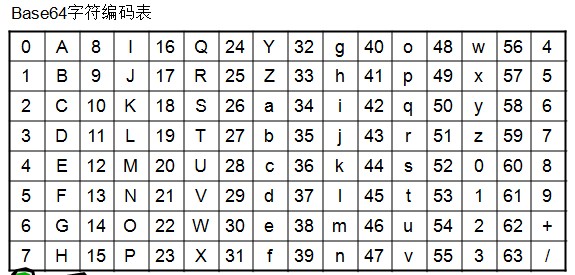
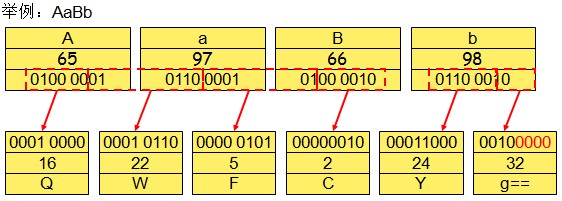
base64编码要求把3个8位字节(3*8=24)转化为4个6位的字节(4*6=24),之后在6位的前面补两个0,形成8位一个字节的形式。
base64类
函数:
unsigned int creatematchingencodingbuffer (unsigned int p_inputbytecount, char** p_ppencodingbuffer);
创建匹配于编码的缓存空间。参数:1输入字节数,2进行编码需要的缓存空间;返回值:缓存空间大小。
unsigned int creatematchingdecodingbuffer (char* p_pinputbufferstring, char** p_ppdecodingbuffer);
创建匹配于解码的缓存空间。参数:1解码对象缓存,2进行解码需要的缓存空间;返回值:缓存空间大小。
void encodebuffer (char* p_pinputbuffer, unsigned int p_inputbufferlength, char* p_poutputbufferstring);
进行编码。参数:1明文,2明文长度,3密文输出。
unsigned int decodebuffer (char* p_pinputbufferstring, char* p_poutputbuffer);
进行解码。参数:1密文,2明文;返回值:明文长度
c++实现:
头文件:
view code

/************************************************
*            *
* cbase64.h          *
* base 64 de- and encoding class    *
*            *
* ============================================ *
*            *
* this class was written on 28.05.2003    *
* by jan raddatz [jan-raddatz@web.de]    *
*            *
* ============================================ *
*            *
* copyright (c) by jan raddatz      *
* this class was published @ codeguru.com  *
* 28.05.2003          *
*            *
************************************************/

#pragma once

#include <afx.h>
#include <stdlib.h>
#include <math.h>
#include <memory.h>
const static unsigned int max_line_length = 76;

const static char base64_alphabet [64] =
{
  'a', 'b', 'c', 'd', 'e', 'f', 'g', 'h', 'i', 'j', //  0 -  9
  'k', 'l', 'm', 'n', 'o', 'p', 'q', 'r', 's', 't', // 10 - 19
  'u', 'v', 'w', 'x', 'y', 'z', 'a', 'b', 'c', 'd', // 20 - 29
  'e', 'f', 'g', 'h', 'i', 'j', 'k', 'l', 'm', 'n', // 30 - 39
  'o', 'p', 'q', 'r', 's', 't', 'u', 'v', 'w', 'x', // 40 - 49
  'y', 'z', '0', '1', '2', '3', '4', '5', '6', '7', // 50 - 59
  '8', '9', '+', '/'         // 60 - 63
};

const static char base64_dealphabet [128] =
{
  0, 0, 0, 0, 0, 0, 0, 0, 0, 0, //  0 -  9
  0, 0, 0, 0, 0, 0, 0, 0, 0, 0, // 10 - 19
  0, 0, 0, 0, 0, 0, 0, 0, 0, 0, // 20 - 29
  0, 0, 0, 0, 0, 0, 0, 0, 0, 0, // 30 - 39
  0, 0, 0, 62, 0, 0, 0, 63, 52, 53, // 40 - 49
  54, 55, 56, 57, 58, 59, 60, 61, 0, 0, // 50 - 59
  0, 61, 0, 0, 0, 0, 1, 2, 3, 4, // 60 - 69
  5, 6, 7, 8, 9, 10, 11, 12, 13, 14, // 70 - 79
  15, 16, 17, 18, 19, 20, 21, 22, 23, 24, // 80 - 89
  25, 0, 0, 0, 0, 0, 0, 26, 27, 28, // 90 - 99
  29, 30, 31, 32, 33, 34, 35, 36, 37, 38, // 100 - 109
  39, 40, 41, 42, 43, 44, 45, 46, 47, 48, // 110 - 119
  49, 50, 51, 0, 0, 0, 0, 0    // 120 - 127
};

enum
{
  unable_to_open_input_file,
  unable_to_open_output_file,
  unable_to_create_outputbuffer
};

class cbase64
{
public:
  cbase64 ();

  unsigned int calculaterecquiredencodeoutputbuffersize (unsigned int p_inputbytecount);
  unsigned int calculaterecquireddecodeoutputbuffersize (char* p_pinputbufferstring);

  void encodebytetriple (char* p_pinputbuffer, unsigned int inputcharacters, char* p_poutputbuffer);
  unsigned int decodebytequartet (char* p_pinputbuffer, char* p_poutputbuffer);

  void encodebuffer (char* p_pinputbuffer, unsigned int p_inputbufferlength, char*p_poutputbufferstring);
  unsigned int decodebuffer (char* p_pinputbufferstring, char* p_poutputbuffer);

  unsigned int creatematchingencodingbuffer (unsigned int p_inputbytecount, char** p_ppencodingbuffer);
  unsigned int creatematchingdecodingbuffer (char* p_pinputbufferstring, char** p_ppdecodingbuffer);

  unsigned int encodefile (char* p_psourcefilename, char* p_pencodedfilename);
  unsigned int decodefile (char* p_psourcefilename, char* p_pdecodedfilename);
};
cpp文件:
view code

/************************************************
*            *
* cbase64.cpp          *
* base 64 de- and encoding class    *
*            *
* ============================================ *
*            *
* this class was written on 28.05.2003    *
* by jan raddatz [jan-raddatz@web.de]    *
*            *
* ============================================ *
*            *
* copyright (c) by jan raddatz      *
* this class was published @ codeguru.com  *
* 28.05.2003          *
*            *
************************************************/
#include "stdafx.h"
#include "cbase64.h"


cbase64::cbase64 ()
{
}

unsigned int cbase64::calculaterecquiredencodeoutputbuffersize (unsigned int p_inputbytecount)
{
  div_t result = div (p_inputbytecount, 3);

  unsigned int recquiredbytes = 0;
  if (result.rem == 0)
  {
    // number of encoded characters
    recquiredbytes = result.quot * 4;

    // crlf -> "\r\n" each 76 characters
    result = div (recquiredbytes, 76);
    recquiredbytes += result.quot * 2;

    // terminating null for the encoded string
    recquiredbytes += 1;

    return recquiredbytes;
  }
  else
  {
    // number of encoded characters
    recquiredbytes = result.quot * 4 + 4;

    // crlf -> "\r\n" each 76 characters
    result = div (recquiredbytes, 76);
    recquiredbytes += result.quot * 2;

    // terminating null for the encoded string
    recquiredbytes += 1;

    return recquiredbytes;
  }
}

unsigned int cbase64::calculaterecquireddecodeoutputbuffersize (char* p_pinputbufferstring)
{
  unsigned int bufferlength = strlen (p_pinputbufferstring);

  div_t result = div (bufferlength, 4);

  if (p_pinputbufferstring [bufferlength - 1] != '=')
  {
    return result.quot * 3;
  }
  else
  {
    if (p_pinputbufferstring [bufferlength - 2] == '=')
    {
      return result.quot * 3 - 2;
    }
    else
    {
      return result.quot * 3 - 1;
    }
  }
}

void cbase64::encodebytetriple (char* p_pinputbuffer, unsigned int inputcharacters, char* p_poutputbuffer)
{
  unsigned int mask = 0xfc000000;
  unsigned int buffer = 0;


  char* temp = (char*) &buffer;
  temp [3] = p_pinputbuffer [0];
  if (inputcharacters > 1)
    temp [2] = p_pinputbuffer [1];
  if (inputcharacters > 2)
    temp [1] = p_pinputbuffer [2];

  switch (inputcharacters)
  {
  case 3:
    {
      p_poutputbuffer [0] = base64_alphabet [(buffer & mask) >> 26];
      buffer = buffer << 6;
      p_poutputbuffer [1] = base64_alphabet [(buffer & mask) >> 26];
      buffer = buffer << 6;
      p_poutputbuffer [2] = base64_alphabet [(buffer & mask) >> 26];
      buffer = buffer << 6;
      p_poutputbuffer [3] = base64_alphabet [(buffer & mask) >> 26];
      break;
    }
  case 2:
    {
      p_poutputbuffer [0] = base64_alphabet [(buffer & mask) >> 26];
      buffer = buffer << 6;
      p_poutputbuffer [1] = base64_alphabet [(buffer & mask) >> 26];
      buffer = buffer << 6;
      p_poutputbuffer [2] = base64_alphabet [(buffer & mask) >> 26];
      p_poutputbuffer [3] = '=';
      break;
    }
  case 1:
    {
      p_poutputbuffer [0] = base64_alphabet [(buffer & mask) >> 26];
      buffer = buffer << 6;
      p_poutputbuffer [1] = base64_alphabet [(buffer & mask) >> 26];
      p_poutputbuffer [2] = '=';
      p_poutputbuffer [3] = '=';
      break;
    }
  }
}

unsigned int cbase64::decodebytequartet (char* p_pinputbuffer, char* p_poutputbuffer)
{
  unsigned int buffer = 0;

  if (p_pinputbuffer[3] == '=')
  {
    if (p_pinputbuffer[2] == '=')
    {
      buffer = (buffer | base64_dealphabet [p_pinputbuffer[0]]) << 6;
      buffer = (buffer | base64_dealphabet [p_pinputbuffer[1]]) << 6;
      buffer = buffer << 14;

      char* temp = (char*) &buffer;
      p_poutputbuffer [0] = temp [3];

      return 1;
    }
    else
    {
      buffer = (buffer | base64_dealphabet [p_pinputbuffer[0]]) << 6;
      buffer = (buffer | base64_dealphabet [p_pinputbuffer[1]]) << 6;
      buffer = (buffer | base64_dealphabet [p_pinputbuffer[2]]) << 6;
      buffer = buffer << 8;

      char* temp = (char*) &buffer;
      p_poutputbuffer [0] = temp [3];
      p_poutputbuffer [1] = temp [2];

      return 2;
    }
  }
  else
  {
    buffer = (buffer | base64_dealphabet [p_pinputbuffer[0]]) << 6;
    buffer = (buffer | base64_dealphabet [p_pinputbuffer[1]]) << 6;
    buffer = (buffer | base64_dealphabet [p_pinputbuffer[2]]) << 6;
    buffer = (buffer | base64_dealphabet [p_pinputbuffer[3]]) << 6;
    buffer = buffer << 2;

    char* temp = (char*) &buffer;
    p_poutputbuffer [0] = temp [3];
    p_poutputbuffer [1] = temp [2];
    p_poutputbuffer [2] = temp [1];

    return 3;
  }

  return -1;
}

void cbase64::encodebuffer(char* p_pinputbuffer, unsigned int p_inputbufferlength, char* p_poutputbufferstring)
{
  unsigned int finishedbytequartetsperline = 0;
  unsigned int inputbufferindex = 0;
  unsigned int outputbufferindex = 0;

  memset (p_poutputbufferstring, 0, calculaterecquiredencodeoutputbuffersize (p_inputbufferlength));

  while (inputbufferindex < p_inputbufferlength)
  {
    if (p_inputbufferlength - inputbufferindex <= 2)
    {
      finishedbytequartetsperline ++;
      encodebytetriple (p_pinputbuffer + inputbufferindex, p_inputbufferlength - inputbufferindex, p_poutputbufferstring + outputbufferindex);
      break;
    }
    else
    {
      finishedbytequartetsperline++;
      encodebytetriple (p_pinputbuffer + inputbufferindex, 3, p_poutputbufferstring + outputbufferindex);
      inputbufferindex += 3;
      outputbufferindex += 4;
    }

    if (finishedbytequartetsperline == 19)
    {
      p_poutputbufferstring [outputbufferindex ] = '\r';
      p_poutputbufferstring [outputbufferindex+1] = '\n';
      p_poutputbufferstring += 2;
      finishedbytequartetsperline = 0;
    }
  }
}

unsigned int cbase64::decodebuffer (char* p_pinputbufferstring, char* p_poutputbuffer)
{
  unsigned int inputbufferindex = 0;
  unsigned int outputbufferindex = 0;
  unsigned int inputbufferlength = strlen (p_pinputbufferstring);

  char bytequartet [4];

  while (inputbufferindex < inputbufferlength)
  {
    for (int i = 0; i < 4; i++)
    {
      bytequartet [i] = p_pinputbufferstring [inputbufferindex];

      // ignore all characters except the ones in base64_alphabet
      if ((bytequartet [i] >= 48 && bytequartet [i] <= 57) ||
        (bytequartet [i] >= 65 && bytequartet [i] <= 90) ||
        (bytequartet [i] >= 97 && bytequartet [i] <= 122) ||
        bytequartet [i] == '+' || bytequartet [i] == '/' || bytequartet [i] == '=')
      {
      }
      else
      {
        // invalid character
        i--;
      }

      inputbufferindex++;
    }

    outputbufferindex += decodebytequartet (bytequartet, p_poutputbuffer + outputbufferindex);
  }

  // outputbufferindex gives us the next position of the next decoded character
  // inside our output buffer and thus represents the number of decoded characters
  // in our buffer.
  return outputbufferindex;
}

unsigned int cbase64::creatematchingencodingbuffer (unsigned int p_inputbytecount, char** p_ppencodingbuffer)
{
  unsigned int size = calculaterecquiredencodeoutputbuffersize (p_inputbytecount);
  (*p_ppencodingbuffer) = (char*) malloc (size);
  memset (*p_ppencodingbuffer, 0, size);
  return size;
}

unsigned int cbase64::creatematchingdecodingbuffer (char* p_pinputbufferstring, char** p_ppdecodingbuffer)
{
  unsigned int size = calculaterecquireddecodeoutputbuffersize (p_pinputbufferstring);
  (*p_ppdecodingbuffer) = (char*) malloc (size+1);
  memset (*p_ppdecodingbuffer, 0, size+1);
  return size+1;
}

unsigned int cbase64::encodefile (char* p_psourcefilename, char* p_pencodedfilename)
{
  cfile inputfile;
  cfile outputfile;

  if (!inputfile.open (p_psourcefilename, cfile::moderead))
    return unable_to_open_input_file;

  if (!outputfile.open (p_pencodedfilename, cfile::modecreate|cfile::modewrite))
    return unable_to_open_output_file;

  char inputbuffer [19 * 3];
  char* poutputbuffer;
  creatematchingencodingbuffer (sizeof (inputbuffer), &poutputbuffer);

  if (poutputbuffer == 0)
    return unable_to_create_outputbuffer;

  unsigned int readbytes = 0;
  while ((readbytes = inputfile.read (inputbuffer, sizeof (inputbuffer))) != 0)
  {
    encodebuffer (inputbuffer, readbytes, poutputbuffer);
    outputfile.write (poutputbuffer, strlen (poutputbuffer));
  }

  outputfile.flush ();
  outputfile.close ();
  inputfile.close ();

  return 0;
}

unsigned int cbase64::decodefile (char* p_psourcefilename, char* p_pdecodedfilename)
{
  cstdiofile  inputfile;
  cfile    outputfile;

  if (!inputfile.open (p_psourcefilename, cfile::moderead))
    return unable_to_open_input_file;

  if (!outputfile.open (p_pdecodedfilename, cfile::modecreate|cfile::modewrite))
    return unable_to_open_output_file;

  cstring inputbuffer;
  char  outputbuffer[64];

  unsigned int readbytes = 0;
  while ((readbytes = inputfile.readstring (inputbuffer)) != 0)
  {
    inputbuffer.remove ('\r');
    inputbuffer.remove ('\n');
    unsigned int decodedbytes = decodebuffer ((lptstr) (lpctstr) inputbuffer, outputbuffer);
    outputfile.write (&outputbuffer [0], decodedbytes);
  }

  outputfile.flush ();
  outputfile.close ();
  inputfile.close ();

  return 0;
}
以上就是c++如何实现base64算法的详细内容,更多关于c++ base64算法的资料请关注其它相关文章!
推荐阅读